A ministry training culture that keeps multiplying, with Hunter Bible Church
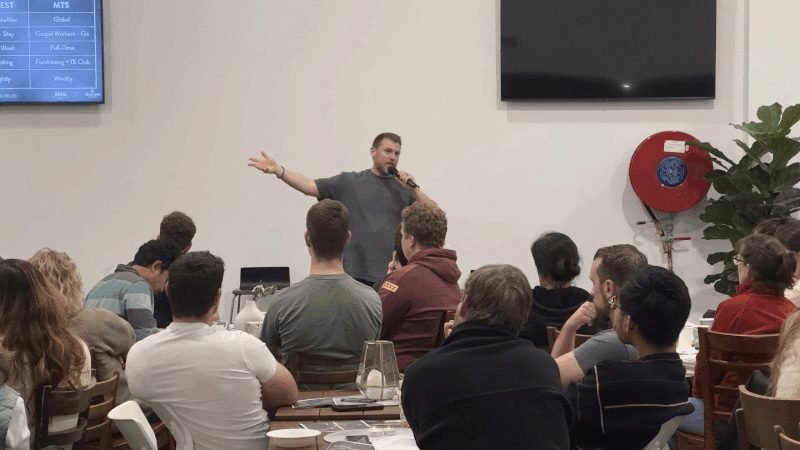
“Once you’re a disciple, you’re a disciple maker.”
At Hunter Bible Church (HBC) in the New South Wales Hunter region, that’s not a tagline on a wall. It’s a conviction that shapes the way an entire community thinks about its people, its time, and its purpose for twenty-five years and counting. And it’s a conviction that MTS – Ministry Training Strategy has been walking alongside and resourcing from the very beginning.
Twenty-five years of training
HBC’s Greg Lee was shaped by MTS training himself, sitting under Philip Jensen at UNSW, and Dave Allen came through the same training not too long after.
So, when HBC launched in the early 2000’s, the MTS DNA was already there. Raising up the next generation of gospel workers wasn’t something they arrived at later. It was baked in from the beginning.
HBC sits in a region of around 400,000 people. Newcastle has its own character — beaches, a vast lake, coffee shops, the Knights, the Jets, a city big enough to feel alive but easy enough to actually get around. It’s the kind of place people choose to live and set up in.
And for twenty-five years, HBC has been choosing to invest its best people into the next generation of gospel workers, one apprenticeship at a time.
106 apprentices have come through HBC’s doors. 12 are in training right now. Of those who’ve completed, 44% are in full-time ministry, 13% serve part-time, and 11% are ministry spouses. They’re scattered across regional NSW, Sydney, Canberra, Tasmania, New Zealand, South Australia, Queensland, Victoria, Broome, Africa, Vanuatu, and further still.
It takes a village
But possibly the most telling statistic might be the 11 different staff that are actively training the 12 current apprentices. The expectation isn’t that a couple of advocates hold the ‘MTS banner’ while everyone else gets on with ministry. Everyone holds it.
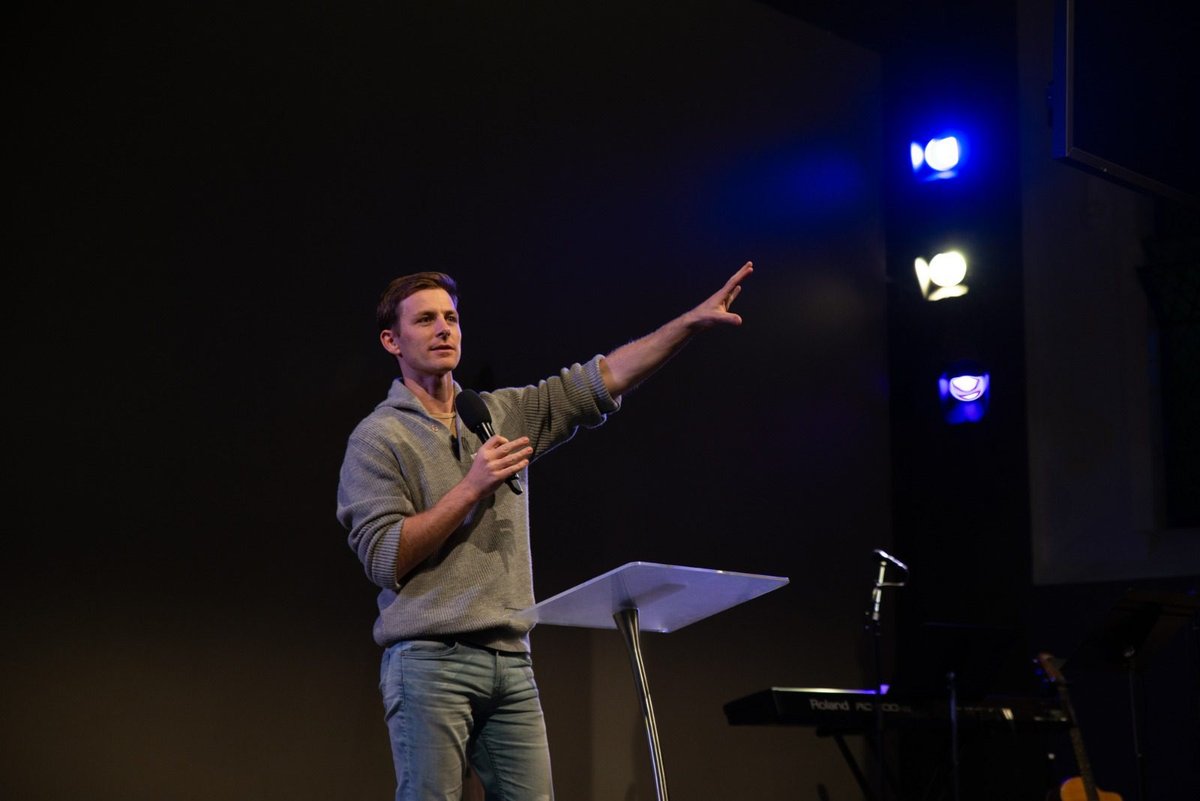
Scott Curtis, Ministry Pastor at HBC says, “We have an ownership across the whole team,” Scott says. “A lot of our apprentices are across multiple teams and under multiple pastors, so we all have a role to play. We try to train each cohort as a village.”
Part of what’s sharpened that village mentality has been MTS’s own strategic focus on investing in healthy trainers — the conviction that the culture of any training centre lives or dies with the people doing the training on the ground. Scott sees the logic clearly, “If the leadership of churches aren’t on board with ministry training, it’s just not going to happen.”
The harvest beyond
That shift has also pushed HBC to look beyond its own walls to the harvest as a whole. “Since the strategic pivot at MTS, it’s been helpful for us to look beyond HBC and to be encouraged, and to encourage people in ministries around us,” Scott says.
One of the most tangible expressions of that has been working with other local churches to run a regional Mission Minded conference, bringing the opportunity closer to home for churches that might not otherwise engage. “There are all these churches around us doing great things for the gospel,” Scott says. “We want to keep encouraging them to put ministry training through MTS on the agenda as together we raise up the next generation of gospel workers for the harvest.”
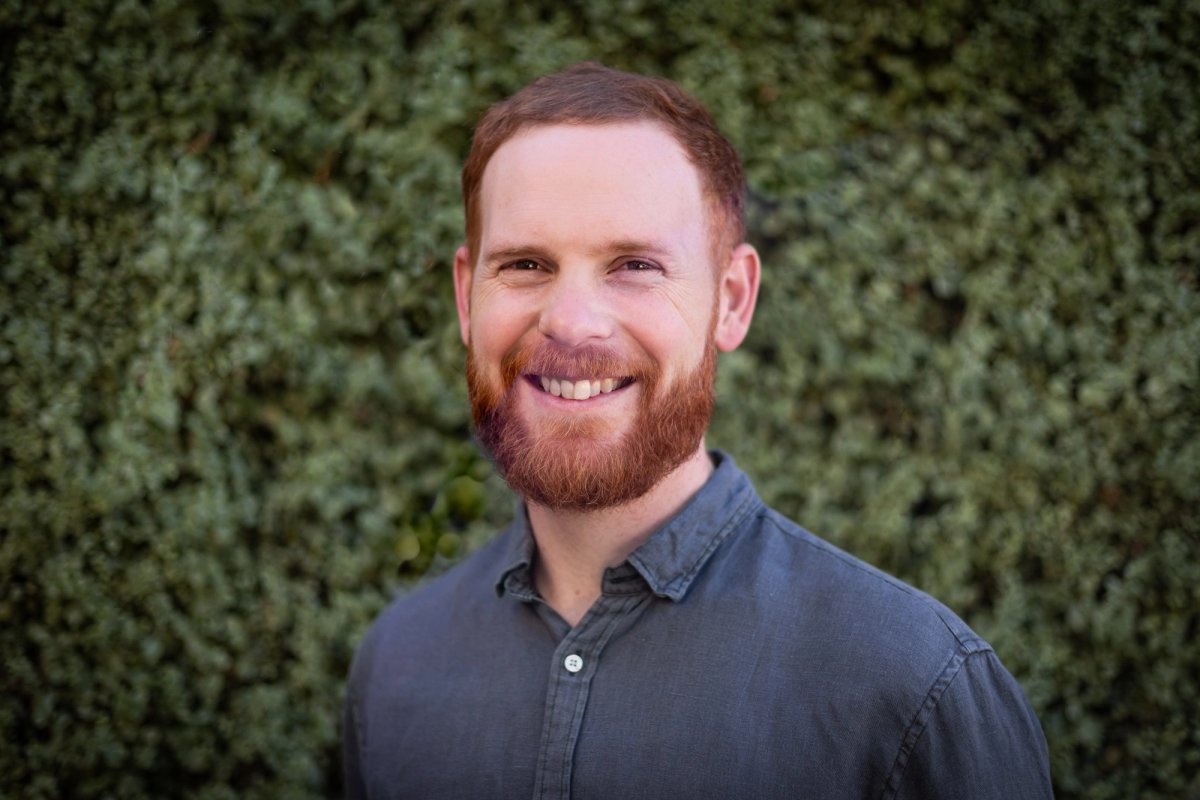
That village mentality is what makes multiplication possible. Take Pete Munday, who did his MTS apprenticeship at HBC about fourteen years ago. He stayed on, completed Bible College part-time, and is now HBC’s Youth Pastor raising up young leaders, sending them out to do MTS apprenticeships, and training his own apprentices in turn.
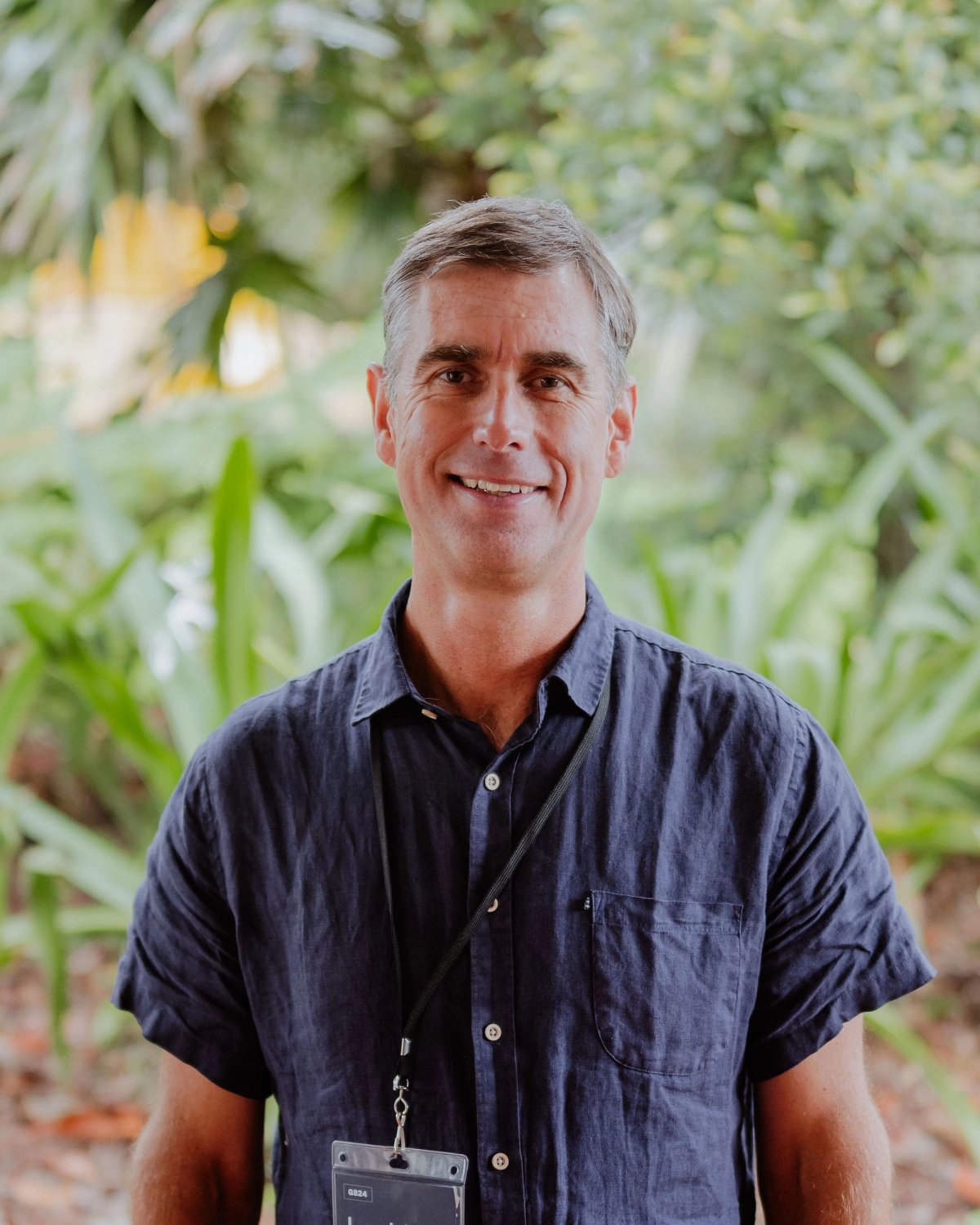
Another past apprentice, Ben Broadfoot, who read the Bible with Scott when Scott first became a Christian at HBC, went on to train at EV Church, and is now Senior Pastor at Maitland Evangelical. “When people are heading out towards Maitland,” Scott says, “we’re often recommending Ben and Maitland Evangelical.” Clear evidence that the roots are deep enough to trust the branches.
Scott is honest that none of this comes cheap.
“To give our apprentices real responsibility and then move them on after two years, that can be less than ideal compared to having a long-term leader in a certain position.”
You pour into someone, watch them grow, and then release them. To another church. To another city. To the mission field. Over and over again.
“But because we see the wider kingdom in view,” Scott says, “we’re happy to take that short-term cost for the longer-term advantage for the kingdom.”
What holds it together
For many years, Scott looked after the MTS portfolio alongside his broader leadership responsibilities. As HBC has grown, so has the need for someone to champion it wholeheartedly, and that person is now Lucy Langfield.
As the dedicated MTS lead at HBC, Lucy has oversight of the apprentices and trainers across the church, liaises with MTS on events like Mission Minded, and continues to help keep the raising and training of apprentices firmly on the agenda. “She’s smashing it,” he says, and the handover itself is significant as it is another expression of the culture HBC has spent two decades building.
It’s worth asking what makes a culture like that sustainable over twenty-five years.
At HBC, the honest answer is that it hasn’t been sustained in isolation.
Behind the intentional training relationships that define an MTS apprenticeship at its core, there is an organisation doing the steady work of holding everything together.
MTS provides the fundraising systems that mean apprentices aren’t navigating financial support on their own. It resources recruiting conferences like Mission Minded, which year after year pull together churches and workers from across the movement, lifting HBC’s eyes well beyond their patch to the breadth of what God is doing in his kingdom. It builds structures that support trainers, not just the people being trained, and it provides the connective tissue of a national network — people with the same conviction, sharpening and encouraging one another across different churches and contexts.
Scott is clear about what would be harder without all of that. A church HBC’s size, he acknowledges, could theoretically build some of its own systems over time. “But what we would lose as a larger church is being refined and being encouraged, and being part of a network, that MTS pulls together, being part of that wider movement that lifts our eyes beyond our neck of the woods.”
What it’s all really for
When Scott steps back and looks at everything — the 106 names, the map dotted with cities and countries, the youth pastor now training his own apprentices, the senior pastor in Maitland, the twelve currently training, he says, “It’s really an investment into seeing people saved. God uses the means of shepherds in his churches to see people saved, to see his people equipped. The time is short. We don’t know when Jesus is returning, but until he does, we endure everything for the sake of the gospel and for the sake of seeing people share in eternal glory.”
At HBC, that’s a way of life, twenty-five years in the making, and it keeps multiplying.